Eagles, Ravens, and Other Birds of Prey
A History of USAF Suppression of Enemy Air Defense (SEAD) Doctrine, 1973-1991
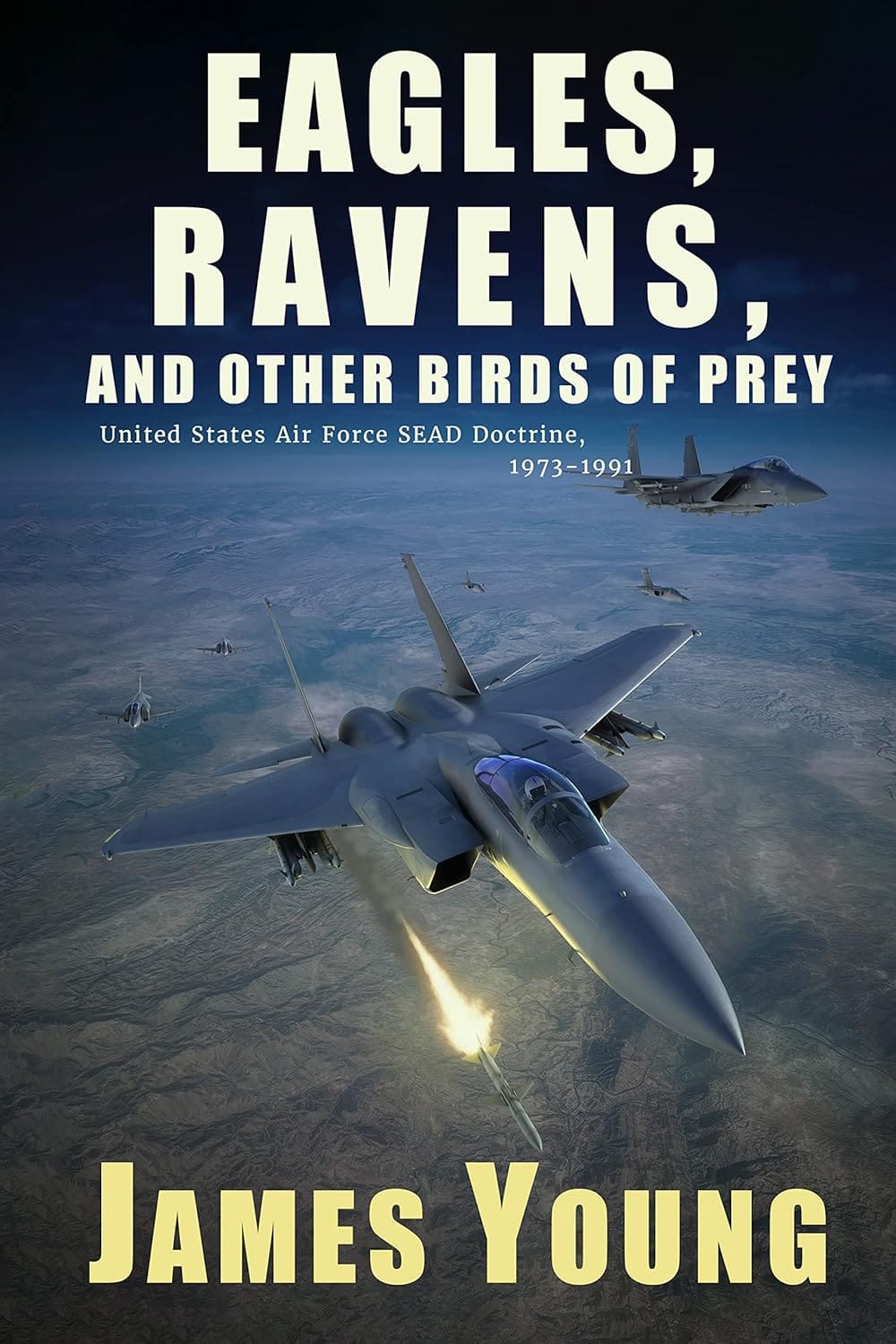



In January 1973, the United States Air Force (USAF) concluded operations against North Vietnam in seeming disarray. With heavy losses to tactical aircraft and B-52s during Operations Linebacker I and II, the USAF’s conventional capabilities were at their nadir. Instead of a potent sword protecting the West against Communist aggression, the Air Force appeared to be an obsolescent weapon to be shattered by new, potent Soviet air defense weaponry.
In January 1991, the USAF spearheaded the Coalition’s air attack on KARI, the Iraqi Integrated Air Defense System. Considered by contemporary analysts to be the most effective air defense system outside the Soviet Union’s, planners expected KARI to exact heavy casualties. Instead, in less than ten days, Coalition forces shattered KARI and prevented it from overseeing any organized defense. Indeed, so complete was Coalition air forces’ dominance that the Iraqi Air Force (IQAF) chose to flee to Iran, their bitter enemy, rather than face certain destruction on the ground.
This journey from near irrelevance to triumph did not occur by accident. Air Force military and civilian leaders made a controversial choice: accept hostile air defenses as priority targets equal in importance to manufacturing centers, military formations, or political leadership. Eagles, Ravens, and Other Birds of Prey examines how this chain of decisions both helped win the Cold War and culminated in the greatest American aerial victory since 1945.
More Like This
Book Details
Author
Page Count
419
Price Ebook
6.99
Price Paper
19.99
Price Hard
25.99
Isbn13
9798423221218
ASIN
B09TGVBKRH
Publication Date
2022-02-25